
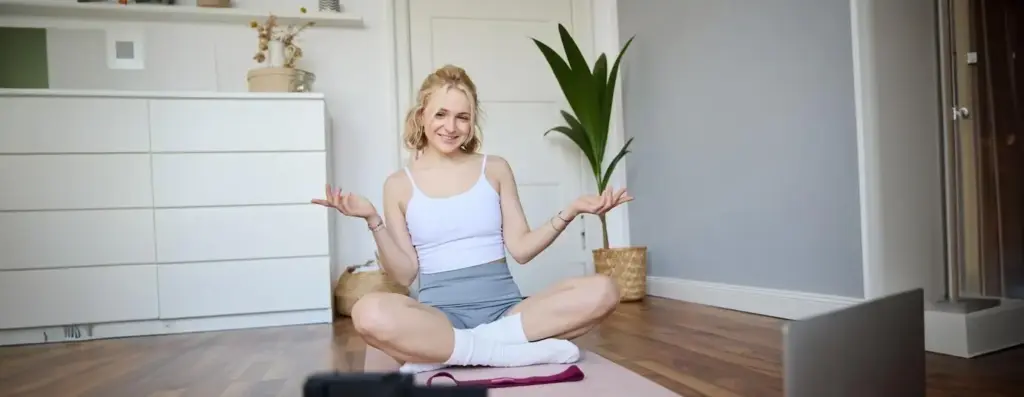
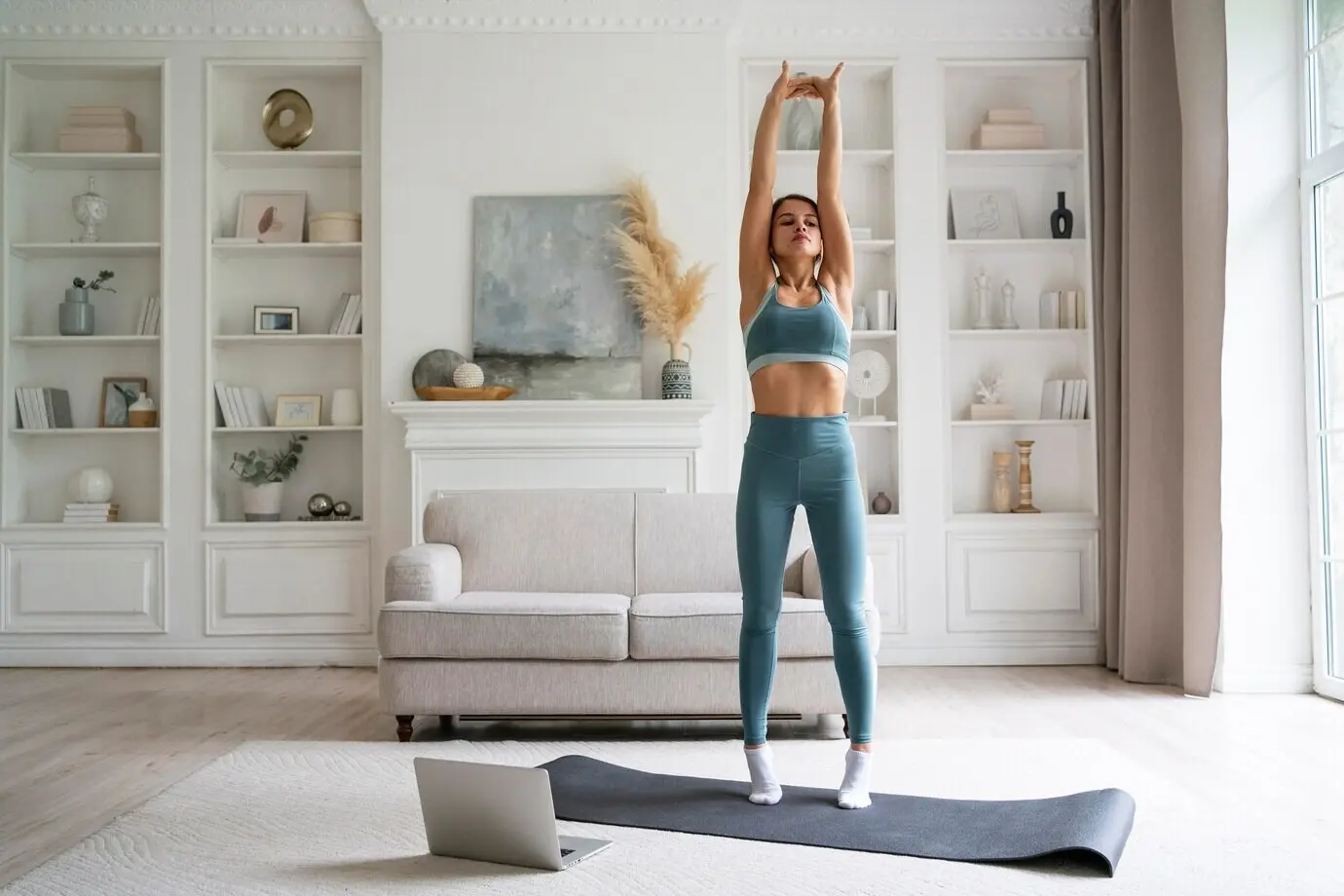
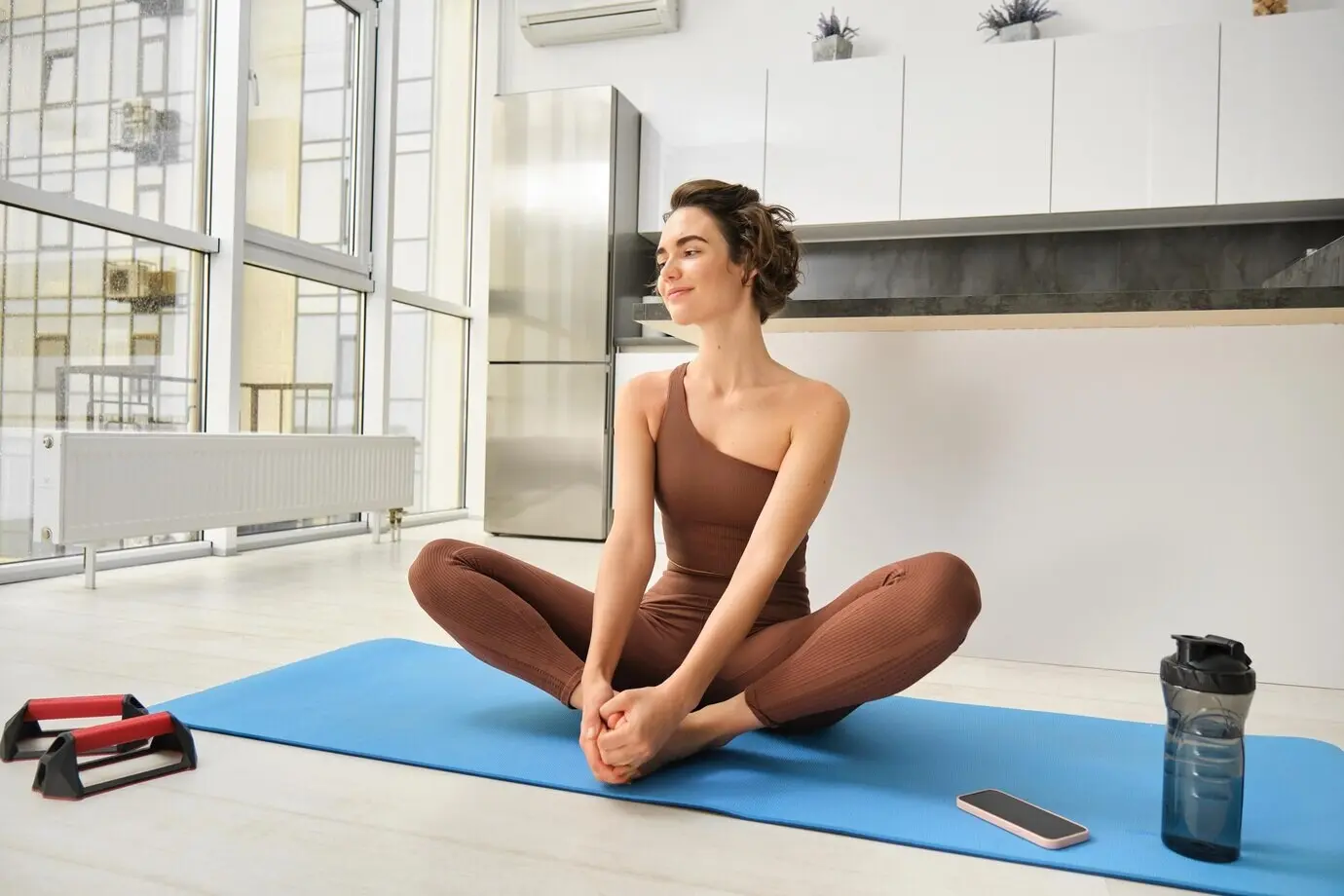
Favor a chair with a flat seat and a stable base; lock wheels or wedge the frame if needed. Aim for a ninety degree knee angle, neutral pelvis, and backrest slightly away to encourage active posture. If the seat is deep, place a cushion behind the back, preserving breath-friendly space around the ribs.
Use the desk edge for gentle rows, forearm support in plank variations, and anchored hamstring stretches without leaving your seat. Confirm there is no wobble, then explore pushing and pulling actions that wake scapular muscles. Keep wrists neutral, elbows soft, and eyes relaxed to prevent overgripping and jaw tension.
Before every session, run a swift checklist: steady chair, clear floor, reachable props, hydrated body, and consent from your schedule. Notice any pain, numbness, or dizziness, and modify immediately. Finish by setting an intention, perhaps choosing steadiness over speed, and curiosity over perfection.
Plant feet and clasp hands behind the head, then twist slowly against gentle resistance from engaged abdominals. Pause mid-rotation to breathe low and wide, training deep stabilizers to participate. Repeat on both sides, keeping hips quiet, and notice lumbar comfort improving as obliques learn patient strength.
Press heels down and imagine sliding the seat backward without moving, creating posterior chain activation. Add mini hip bridges by lifting the chest slightly while drawing sit bones toward heels. Hold for five breaths, release mindfully, and repeat, feeling steady warmth spread through glutes, hamstrings, and low back.
Place forearms on the desk and press down as if performing a vertical push-up, maintaining long neck and broad collarbones. Alternate with gentle desk rows using a looped towel. Keep breath smooth, ribs quiet, and shoulders responsive, discovering powerful yet joint-friendly effort available within arm’s reach.

Cradle the back of the skull and float the head slightly upward while the chin nods tiny yeses. Slide the shoulders away from ears, and breathe slowly into the back ribs. Sprinkle in ear-to-shoulder tilts, pausing where sensation brightens, inviting fascia to yield without forcing delicate structures.
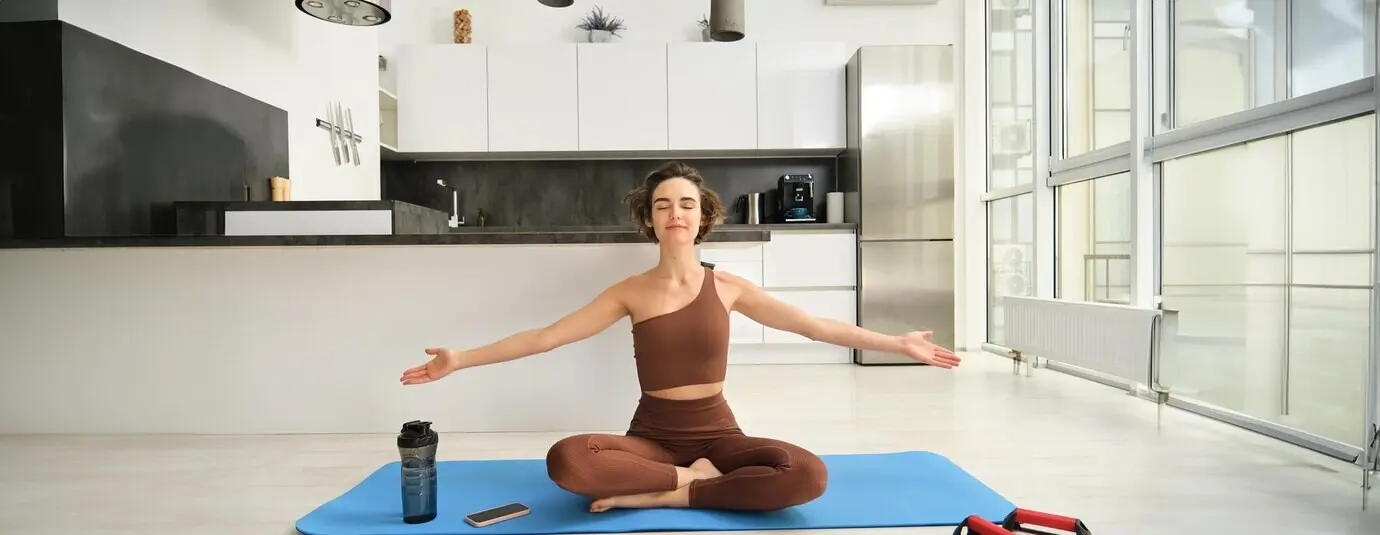
Make gentle fists, press elbows into the chair arms, and draw shoulder blades down as if tucking them into back pockets. Hold, breathe, and release in waves, teaching tissues to meet load calmly. Over days, notice lighter shoulders, easier reaching, and less evening tension surrounding the collarbones.

Extend one arm, flex the wrist, and gently traction each finger while rotating the forearm. Add slow circles, then press the palm to the desk for a progressive stretch, keeping breath smooth. Finish by massaging forearm muscles with opposite knuckles, restoring glide for precise typing and creative flow.
All Rights Reserved.