Stronger, Quieter, Anywhere

Today we dive into hotel-room workouts: quiet strength and flexibility routines crafted for travelers who want results without bothering neighbors or relying on a gym. Expect slow-tempo strength, isometrics, joint-friendly mobility, and calming breathwork that fit tight schedules, small spaces, and shifting time zones. Save this guide, subscribe for weekly road-ready plans, and share your favorite silent moves so our community can keep moving with courtesy, consistency, and confidence.

Set the Stage in Any Room

Pack Light, Train Smart

Slip a loop band, long resistance band, thin travel mat or towel, sliders made from hotel washcloths, and a lightweight jump rope alternative like shadow skipping into your bag. Add a collapsible water bottle, mini massage ball, and breathable clothes. Every item earns its place by enabling strength, mobility, and recovery with minimal noise. Comment with your favorite compact tool or your most surprising creative substitution from the road.

Arrange a Calm, Safe Corner

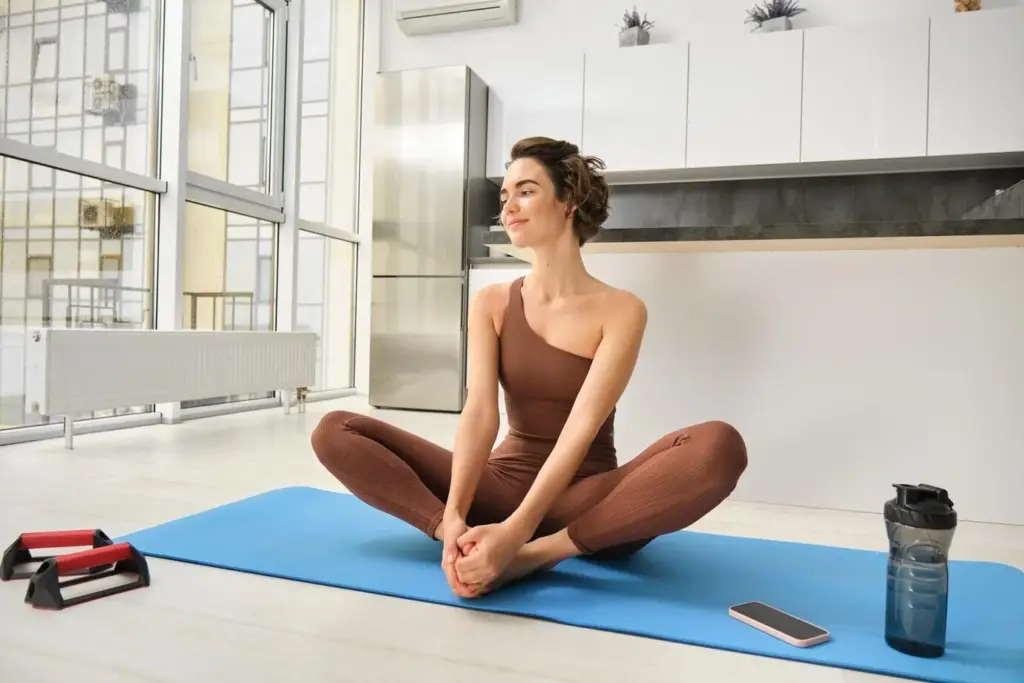
Place your mat parallel to shared walls, not pressed against them. Stabilize wobbling furniture by avoiding it entirely for load-bearing movements unless solid and low. Use towels under knees for cushion, and under sliders to dampen friction sounds. Keep water, timer, and band within reach for smooth transitions. Dim harsh overhead lights, open curtains if possible, and set an intention. Share a photo of your setup to inspire others.

Win the Clock, Beat Jet Lag

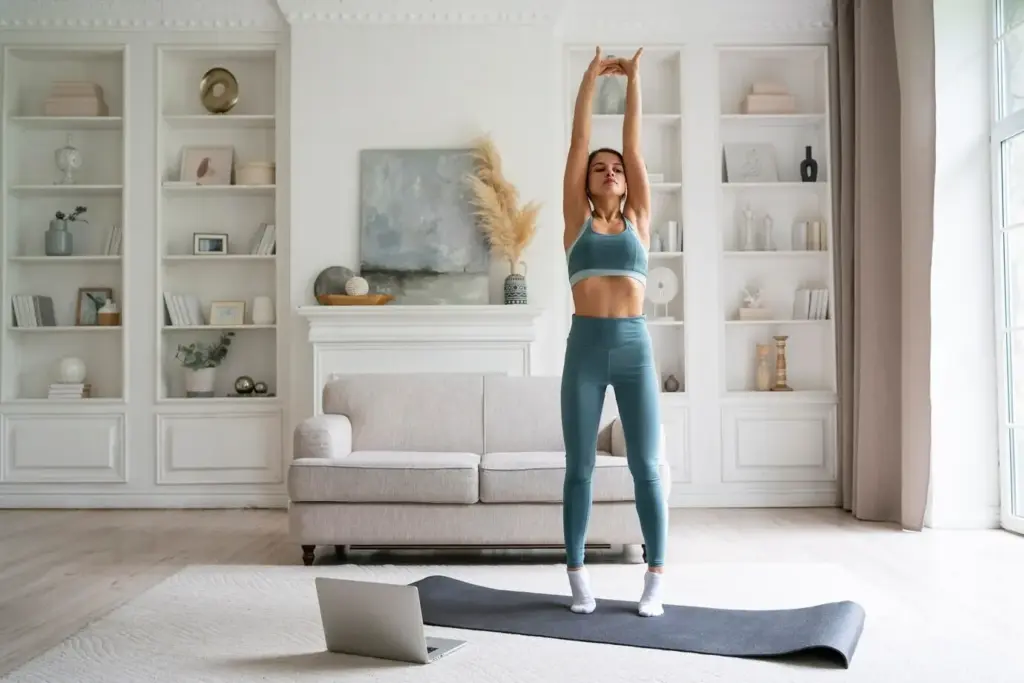
Anchor short sessions to reliable touchpoints: after waking, before showering, or just after checking in. Ten to twenty minutes can reset stiff hips, back, and shoulders while quietly activating strength. Choose two movement pairs and a calming finisher to maintain rhythm amid shifting time zones. When energy dips, perform one circuit only. Consistency beats intensity while traveling. Tell us your preferred window and how you fight red-eye sluggishness.

Silent Strength Circuits

Build impressive strength without thuds or dropped weights by using slow tempos, pauses, unilateral work, and isometrics. These methods reduce joint stress, amplify muscular tension, and keep the noise floor neighbor-friendly. Rotate lower, core, and upper patterns across trips, track reps in reserve, and progress with longer pauses, slower eccentrics, and denser circuits, not louder movements. Post your quietest, most challenging set so others can try it tonight.

Lower Body, Low Noise

Perform tempo split squats with a 3–0–3 count, pausing at the bottom to build control. Add wall sits for isometric endurance, keeping your back steady and heels grounded. Follow with hip bridges on the floor, squeezing glutes hard, or single-leg variants for balance. No jumps, no stomps, only focused tension and steady breathing. Share your quad burn time and which pause length challenges you most after a long flight.

Core that Travels Well

Combine dead bugs with slow, intentional exhales to lock ribs down, then side planks with top-leg raises for lateral stability. Add a suitcase hold by gripping your packed backpack and bracing tall for thirty to sixty seconds. Every rep emphasizes breath, alignment, and quiet control. Finish with bird dogs, reaching long without shifting hips. Comment with your favorite breathing cue or the subtle tweak that made your plank feel unshakeable.

Mobility that Frees Miles
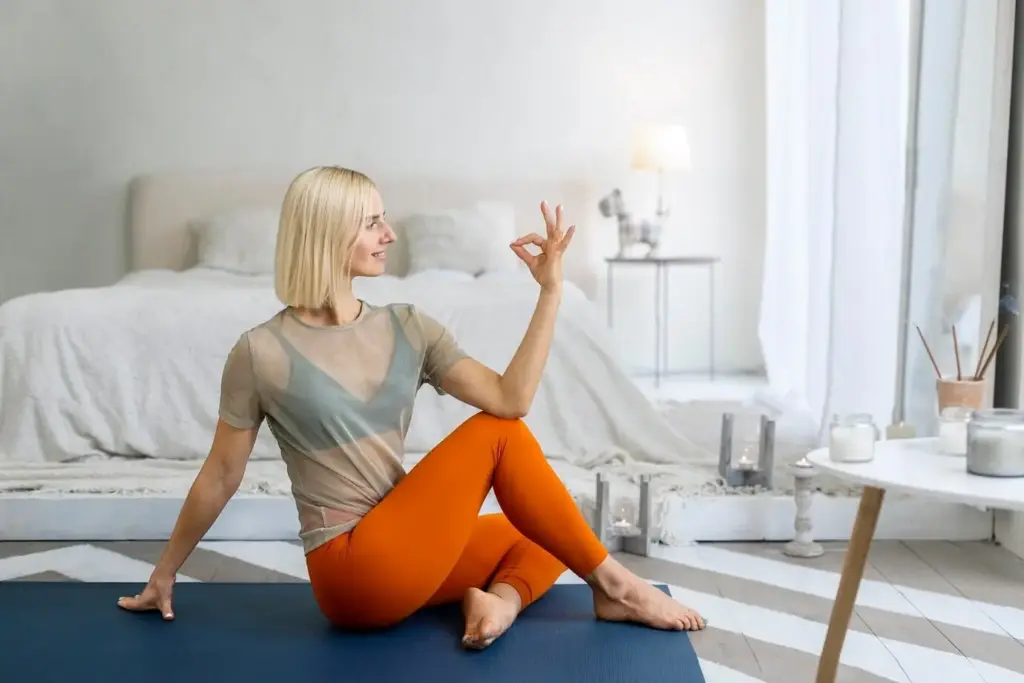
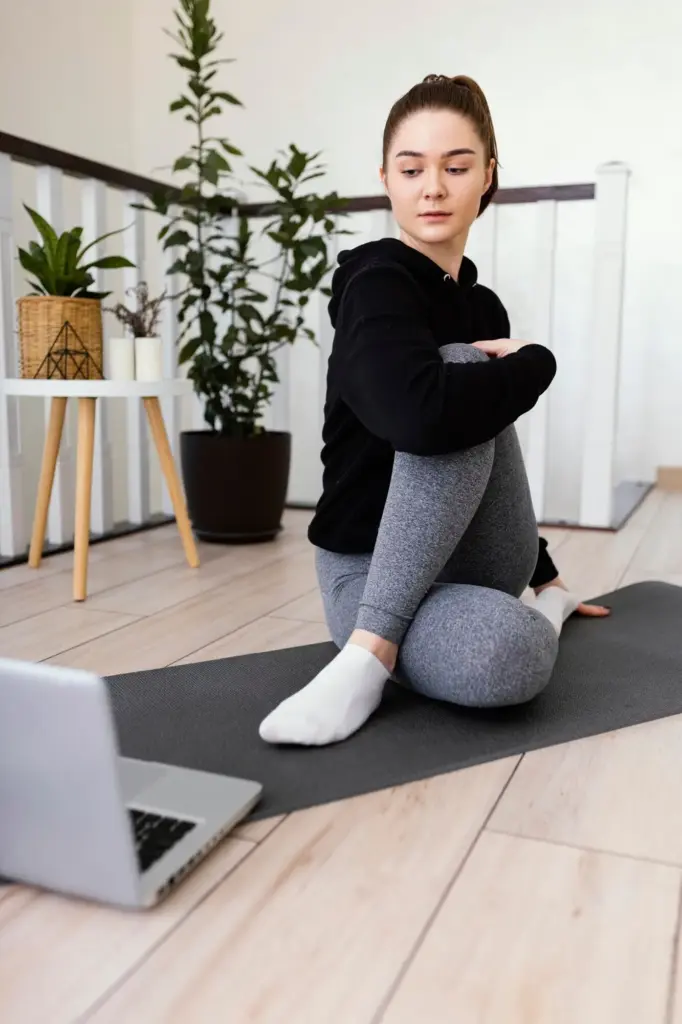
Long travel compresses hips, spine, ankles, and shoulders. A gentle flow, coordinated with calm breathing, restores range and refreshes focus without creaky sounds or floor thumps. Use sequences that release the front of the hips, rotate the thoracic spine, and lengthen calves while respecting jet-lagged tissues. Repeat short flows morning and evening for compounding comfort. Share your most transformative stretch and the city where it first helped.

Breathe Down the Volume

After training, spend three to five minutes on slow nasal inhales, longer mouth exhales, and soft belly expansion. This pattern encourages parasympathetic recovery, reduces perceived effort, and helps you fall asleep despite shifting zones. Try four seconds in, six to eight seconds out. Add box breathing before presentations for calm focus. Share whether evening breathwork shortens your wind-down, and what cadence made your shoulders finally drop from your ears.

Hydrate and Refuel Smartly

Keep a collapsible bottle handy and sip across the day, adding electrolytes after long flights. Aim for protein at each meal, leveraging yogurt cups, eggs, grilled options, or room-service sides if needed. Choose colorful produce where available; pack shelf-stable snacks like tuna pouches or nuts. Hydration buffers fatigue and stiffness, enabling quieter, better movement. Comment with your favorite airport grab that actually supports recovery rather than sabotaging it.

Eight Minutes between Meetings

A sales rep landed in Chicago, set a timer for eight minutes, and cycled split squats, desk push-ups, and dead bugs with five breaths between sets. No shoes, no music, just measured pacing. Energy spiked, back eased, and confidence rose before a key pitch. He texted teammates the circuit, and two adopted it that week. Share your shortest session that still changed your day noticeably.

Isometrics in a Suit Jacket

An analyst stayed in her blazer, looped a band under her feet, and performed isometric rows while holding a quiet wall sit. Three rounds, ninety seconds each, breathing slowly. Shoulders unclenched after flights, and she slept better. On the next trip she added side planks and reported steadier presentations. Tell us your favorite hotel-wall isometric and which breath cue helped your core switch on without bracing too hard.

Quiet Cardio that Builds Capacity

Cardio does not need stomps or hotel complaints. Use low-impact intervals, tempo strength sets, stairwells when available, and breathing ladders to raise the heart rate while staying considerate. Monitor nasal-only tolerance as a gauge of control. Keep sessions brief, focused, and repeatable across unpredictable days. Challenge yourself, but finish fresher than you started. Share your favorite whisper-quiet finisher that leaves you warm, clear-headed, and confident for tomorrow’s agenda.

Low-Impact Intervals Indoors

Alternate slow tempo squats, marching planks, and standing band rows for thirty to forty-five seconds each, resting briefly while nose-breathing. Maintain smooth foot pressure, stable hips, and relaxed jaw. Cycle for ten to twelve minutes. The heart rate climbs steadily without jumps. If space allows, include lateral band walks at glacial pace. Report your perceived exertion and whether nasal breathing kept things calmer than your usual hotel treadmill sprint.

Stairwell Sessions, Considerate and Clean

If the stairwell is empty and safe, walk two flights at a controlled pace, descend quietly, and pause for six calming breaths. Add gentle calf raises on landings and wall-supported ankle rocks. No running, no slamming doors, absolute awareness of echoes. Ten to fifteen minutes delivers a powerful, respectful dose. Wipe handrails after. Share the quiet etiquette rule you follow to ensure staff and guests remain undisturbed.

EMOMs and AMRAPs, Whisper-Mode

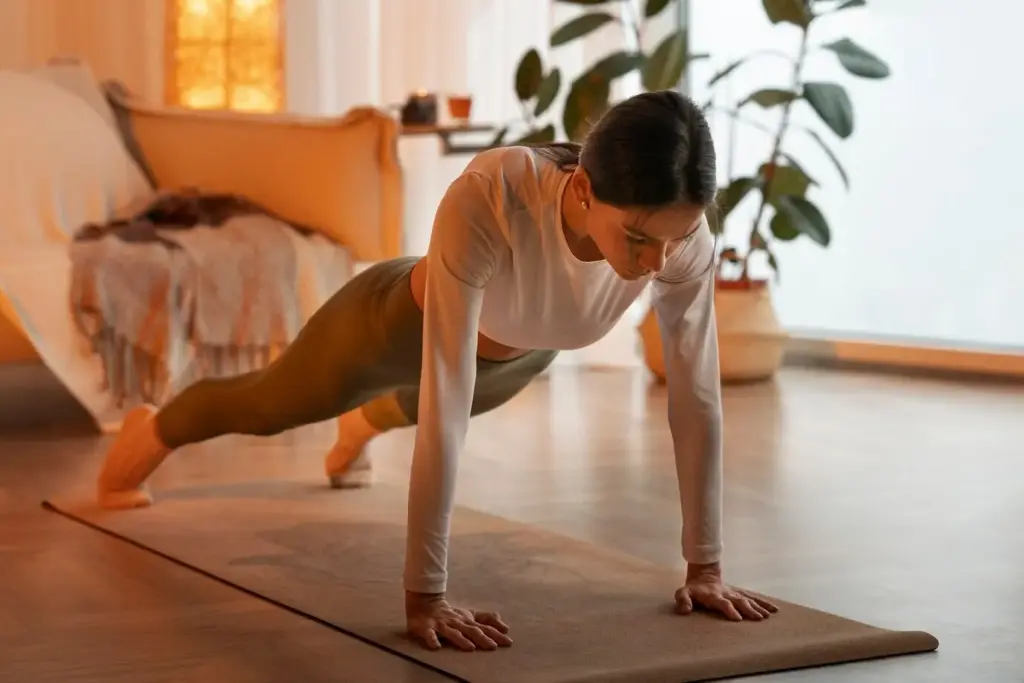
Try ten minutes EMOM: odd minutes slow push-ups, even minutes long exhale dead bugs. Or a seven-minute AMRAP of split squats, band rows, and tall kneeling halos with a towel. Prioritize controlled breathing and silenced transitions. Stop short of failure and stay smooth. These formats scale to fatigue and time. Comment with your favorite quiet pairings and how you adjusted tempos to keep everything respectful while still sweaty.

Neighbors First, Always

Avoid burpees, jumping jacks, and heavy drop sets. Choose controlled patterns and soft landings if any dynamic work absolutely must occur. Confirm quiet hours at check-in and schedule sessions accordingly. Headphones keep cues contained. If someone knocks, apologize sincerely and modify immediately. Courtesy preserves access to consistent training far better than stubbornness. What movement did you replace to keep peace, and what alternative felt equally effective afterward?

Gear and Furniture, Used Wisely

Test every surface before loading it. Desks are for hands with light pressure, not elevated hops. Chairs may slide; wedge them or skip. Doors must never bear bodyweight unless specifically designed for anchors. Bands should not snap toward mirrors or lamps. Reduce risk by choosing the floor whenever possible. Share the clever workaround that kept your session safe, silent, and productive without stressing housekeeping or damaging property.

Leave No Trace, Stay Welcome

Wipe sweat from floors, knobs, and remotes. Air the room briefly if windows open. Fold towels neatly or pile them respectfully. Pack bands and sliders promptly so nothing trips staff. A tidy exit communicates gratitude and professionalism, encouraging hotels to welcome active guests. Tell us your personal ritual for closing a session with care, and whether it changes when traveling with teammates or family members.
Falorunixelaphi
Privacy Overview

This website uses cookies so that we can provide you with the best user experience possible. Cookie information is stored in your browser and performs functions such as recognising you when you return to our website and helping our team to understand which sections of the website you find most interesting and useful.