
Move Freely Where Space Is Scarce

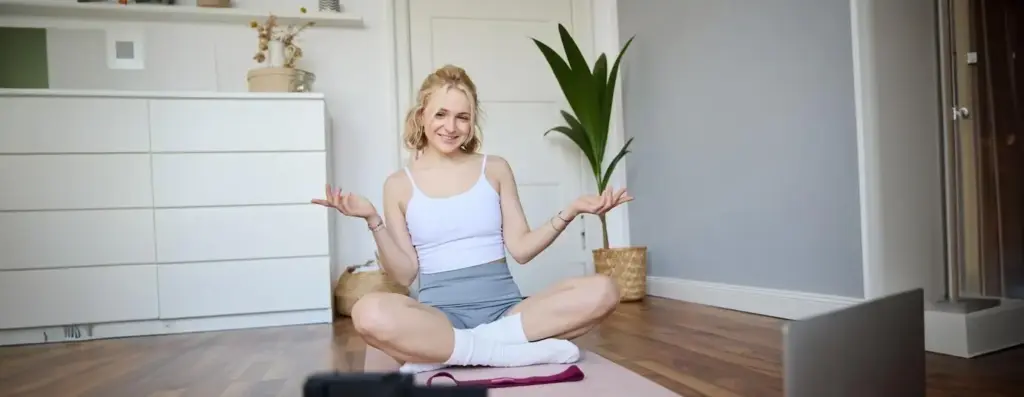
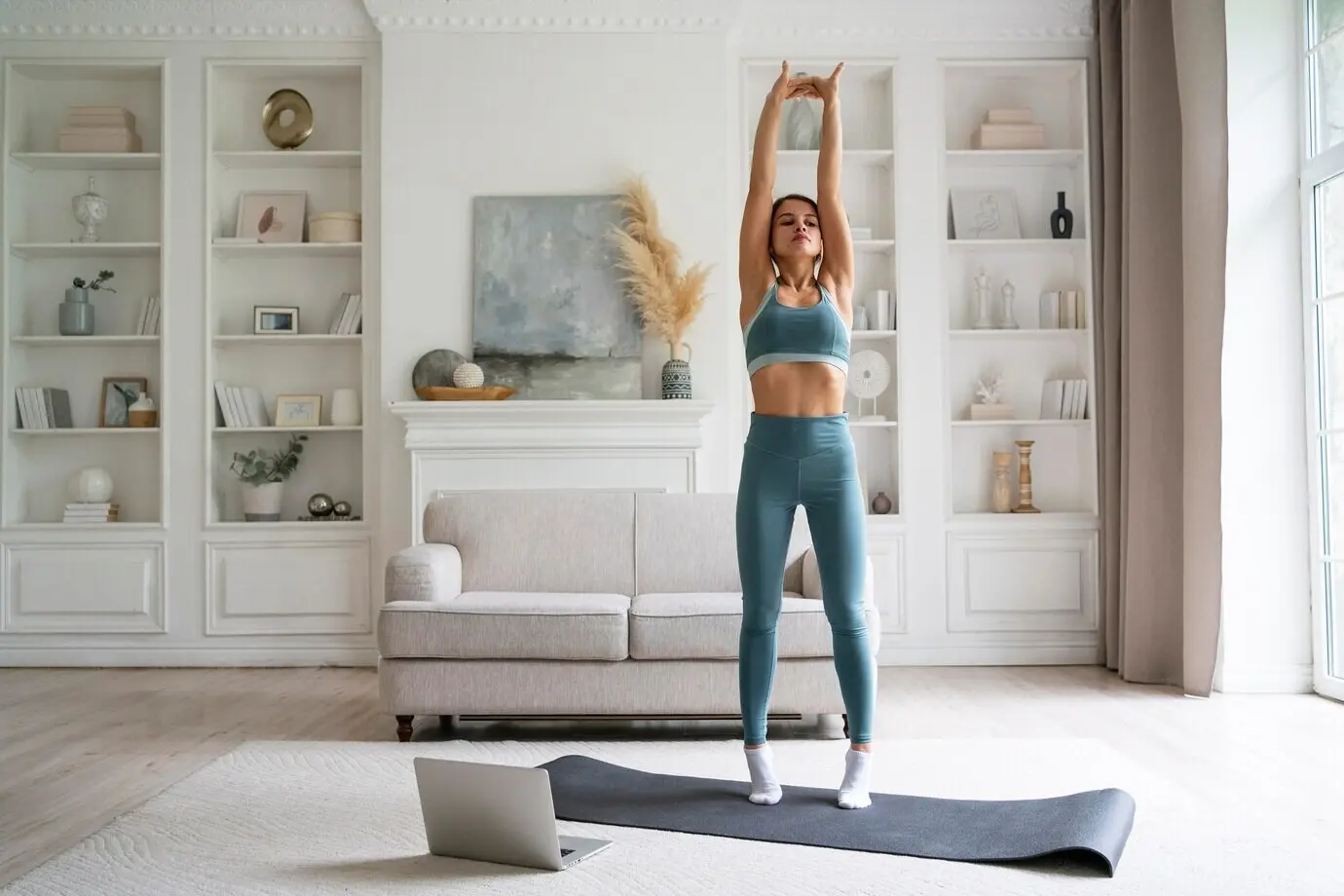
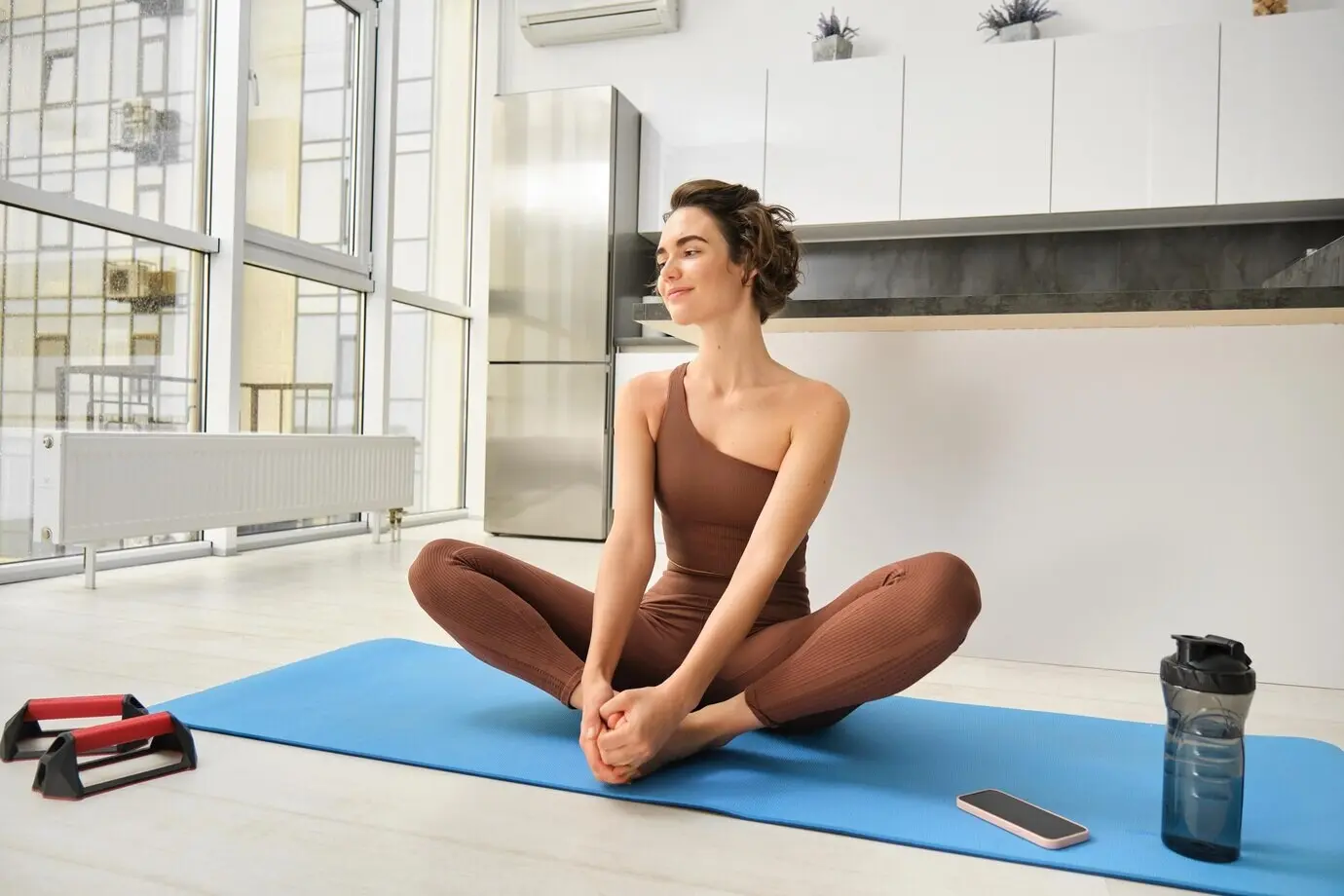
Today we dive into chair and desk yoga flows tailored for tiny home offices, designed to energize stiff bodies, calm racing minds, and fit neatly between calls. Expect simple, scalable movements, breath cues you can remember, and playful micro-practices that welcome tight jeans, limited time, and even squeaky chairs. Bring curiosity, a stable seat, and two square feet of floor; leave with clarity, circulation, and renewed kindness toward your hardworking back. Share in the comments what felt best today and subscribe for weekly micro-flows designed for real workdays.

Set the Stage in a Few Square Feet

Begin by clearing cables, placing a water bottle within reach, and anchoring your chair on a non-slip surface. Adjust seat height so hips align with or slightly above knees, and confirm your feet can root firmly. Test the desk edge for sturdiness, and identify nearby props like a strap, towel, or book stack. This quick setup invites confidence, reduces wobble, and turns limited space into a supportive studio.

01

Choose a Trustworthy Seat

Favor a chair with a flat seat and a stable base; lock wheels or wedge the frame if needed. Aim for a ninety degree knee angle, neutral pelvis, and backrest slightly away to encourage active posture. If the seat is deep, place a cushion behind the back, preserving breath-friendly space around the ribs.

02

Turn the Desk into a Prop

Use the desk edge for gentle rows, forearm support in plank variations, and anchored hamstring stretches without leaving your seat. Confirm there is no wobble, then explore pushing and pulling actions that wake scapular muscles. Keep wrists neutral, elbows soft, and eyes relaxed to prevent overgripping and jaw tension.

03

Create a One-Minute Safety Check

Before every session, run a swift checklist: steady chair, clear floor, reachable props, hydrated body, and consent from your schedule. Notice any pain, numbness, or dizziness, and modify immediately. Finish by setting an intention, perhaps choosing steadiness over speed, and curiosity over perfection.

Alignment That Works While You Work

Ergonomic alignment is not about rigidity; it is about allowing breath and blood to flow while screens, calls, and deadlines continue. We focus on stacking joints, softening unnecessary effort, and using props to guide awareness. Small refinements compound into fewer headaches, steadier energy, and a calmer nervous system throughout demanding days.

Neutral Spine, Realistic Cues

Imagine a string gently lengthening your crown while your tail widens into the seat; neither tucks nor flares dominate. Maintain rib softness, chin slightly back, and gaze level with the horizon. These cues respect everyday fatigue, reducing strain without demanding impossible posture or rigid stillness from busy bodies.

Pelvic Base and Footing

Ground both feet equally, spreading the toes if footwear allows, and let the shins track straight ahead. Rock the pelvis until sit bones feel balanced, then invite gentle lower belly support on the exhale. This steady base stabilizes the spine so shoulders and neck can relax into sustainable work.

Shoulder Blades Meet the Breath

On each inhale, allow shoulder blades to broaden; on each exhale, let them slide slightly down your back while the breastbone softens. Pair these actions with light desk resistance to awaken mid-back muscles. Over time, breath-led movement restores posture without bracing or aggressive pinching that irritates tissues.

Breath as the Quiet Power Source

Breathing patterns subtly steer mood, focus, and pain perception, especially when movement options feel limited. We will explore simple rhythms that ride along with typing, reading, and speaking, so your nervous system receives steady reassurance. These techniques require no privacy, demand no equipment, and travel seamlessly from kitchen table to corporate office.

Morning Wake-Up Circuit

Begin with ankle pumps, heel-toe rocks, and a gentle spinal wave. Add seated cat-cow, shoulder rolls against light desk resistance, and a three-breath twist. Finish with a focused gaze drill, tracing a slow figure eight, so ocular muscles wake and posture organizes before your first meeting.

Midday Screen-Saver Reset

Reverse screen fatigue with thoracic extensions over the chair back, alternating with hip hinge sit-to-tall actions. Pair each movement with steady inhales and lengthened exhales, inviting the neck to release. Conclude by massaging palms with a ball or bottle cap, reigniting tactile sensitivity and refreshing typing accuracy.

Evening Soft Landing

Close the day gently using slow neck arcs, seated pigeon with a strap, and supported forward folds over crossed forearms. Dim screens, lower volume, and let the breath lead every transition. End with gratitude for your resilient body, sealing a restorative boundary between work and rest.

Build Strength From Your Seat

Twists and Holds for Deep Core

Plant feet and clasp hands behind the head, then twist slowly against gentle resistance from engaged abdominals. Pause mid-rotation to breathe low and wide, training deep stabilizers to participate. Repeat on both sides, keeping hips quiet, and notice lumbar comfort improving as obliques learn patient strength.

Glutes and Back Without Standing

Press heels down and imagine sliding the seat backward without moving, creating posterior chain activation. Add mini hip bridges by lifting the chest slightly while drawing sit bones toward heels. Hold for five breaths, release mindfully, and repeat, feeling steady warmth spread through glutes, hamstrings, and low back.

Desk-Presses for Upper Body

Place forearms on the desk and press down as if performing a vertical push-up, maintaining long neck and broad collarbones. Alternate with gentle desk rows using a looped towel. Keep breath smooth, ribs quiet, and shoulders responsive, discovering powerful yet joint-friendly effort available within arm’s reach.

Unknot the Neck, Liberate the Wrists

Modern workflows compress the neck forward and funnel strain into wrists and forearms. Targeted mobility, traction, and pressure techniques can reverse this pattern during ordinary breaks. By reeducating muscles and nerves gently, you reclaim pain-free range, clearer thinking, and the ability to write, design, and lead without nagging aches. Tell us which release delivered the most surprising relief, so readers with similar aches can start there.

Neck Decompression Microseries

Cradle the back of the skull and float the head slightly upward while the chin nods tiny yeses. Slide the shoulders away from ears, and breathe slowly into the back ribs. Sprinkle in ear-to-shoulder tilts, pausing where sensation brightens, inviting fascia to yield without forcing delicate structures.
Shoulder Freedom with Simple Isometrics

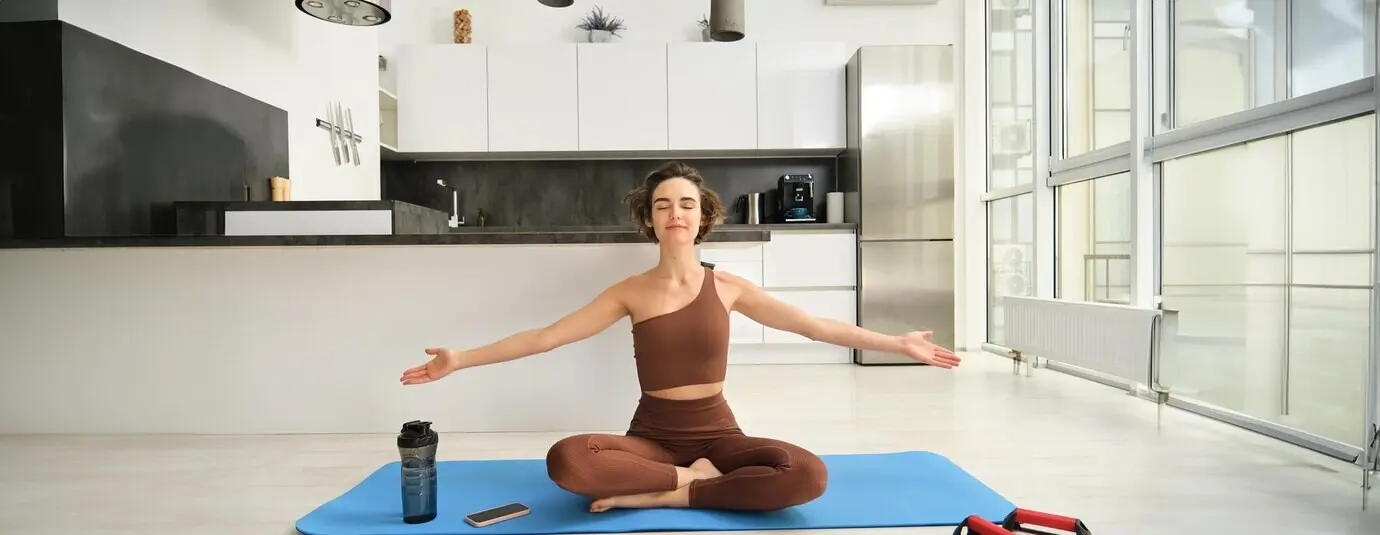
Make gentle fists, press elbows into the chair arms, and draw shoulder blades down as if tucking them into back pockets. Hold, breathe, and release in waves, teaching tissues to meet load calmly. Over days, notice lighter shoulders, easier reaching, and less evening tension surrounding the collarbones.

Wrists and Forearms Rescue

Extend one arm, flex the wrist, and gently traction each finger while rotating the forearm. Add slow circles, then press the palm to the desk for a progressive stretch, keeping breath smooth. Finish by massaging forearm muscles with opposite knuckles, restoring glide for precise typing and creative flow.

Falorunixelaphi
Privacy Overview

This website uses cookies so that we can provide you with the best user experience possible. Cookie information is stored in your browser and performs functions such as recognising you when you return to our website and helping our team to understand which sections of the website you find most interesting and useful.